AI and E-E-A-T: How to Strengthen Expertise and Trust in AI SEO
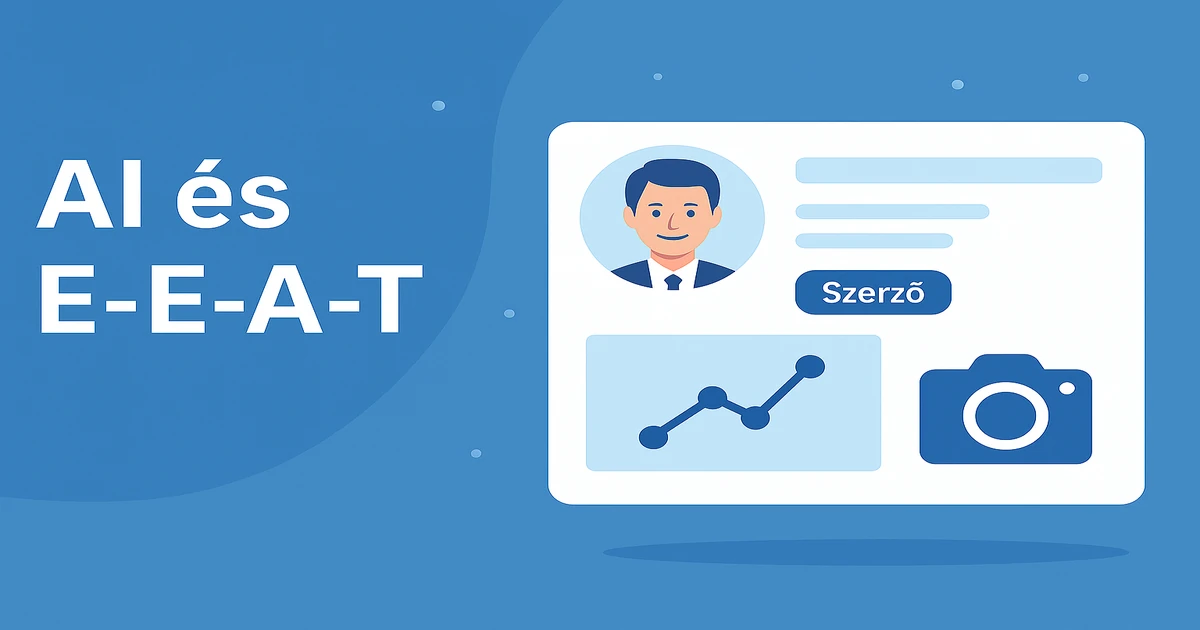
E-E-A-T (Experience, Expertise, Authoritativeness, Trustworthiness) is proof of content quality in the eyes of Google and generative search engines. AI systems—like Google SGE, ChatGPT, or Perplexity—favor content where the author’s experience and the reliability of the source are clearly demonstrated. In this article, we’ll show you how to create E-E-A-T-friendly content that AI can also cite.
What is E-E-A-T, and why does it matter for AI?
E-E-A-T has four pillars: Experience (real-world experience), Expertise (subject-matter knowledge), Authoritativeness (authority), and Trustworthiness (trust). Generative engines provide short, concise answers—so they need sources where it’s immediately clear who is saying what and based on what. For background reading, we recommend: What is AI SEO? and What is AEO?.
How to build E-E-A-T in practice
-
Verifiable experience (Experience): case studies, “how we did it” stories, screenshots, measurement charts. Organize these in a question–answer format—see Getting into ChatGPT answers.
-
Author and company credibility (Expertise & Authoritativeness): an author bio, professional credentials, citations. At the end of the content, add a short expert summary.
-
Structured data: schema markup (BlogPosting, FAQPage, HowTo, Organization). This helps AI clearly interpret the author, the publisher, and question–answer blocks.
-
Internal linking: connect your articles into clusters (e.g., AEO audit, AI keyword research, content repurposing).
-
Publishing and updating: date, author, version, last updated. One common issue among typical AI SEO mistakes is outdated information—prevent it with regular updates.
What does AI look for in E-E-A-T signals?
-
Who is making the claim? – author details, company GEO profile, “About us” signals.
-
What is it based on? – citations, sources, visual evidence (charts, screenshots).
-
How clear is it? – Q&A blocks and well-structured, short chunks.
Quick E-E-A-T checklist
-
Author name, title/role, and a short bio at the end of the article or in the sidebar.
-
Publish and update date, changelog, versioning.
-
Citations to primary sources, relevant internal links.
-
A detailed FAQ or HowTo at the end—especially important in a zero-click environment.
-
Schema.org markup and a consistent OG image for every article.
Summary
E-E-A-T isn’t just a “Google rule”: generative systems also use it to decide whether your content is cite-worthy. If you prove experience and expertise, deliver knowledge in a structured way, and make sources transparent, your content has a strong chance of being included in AI answers.
Frequently asked questions
What does E-E-A-T mean in AI SEO?
It means the content is backed by demonstrable experience and credible expertise—signals that AI and Google can recognize through structured indicators.
How can I increase expertise in an article?
Add an author bio, a concrete case study, and measurement results; cite primary sources; and use BlogPosting, FAQPage, and Organization schemas.
Is good writing enough, or do I need visual proof too?
Visual proof (charts, screenshots) are strong E-E-A-T signals. With surrounding text and alt descriptions, AI can interpret them more accurately.
Enjoyed this article?
Don't miss the latest AI SEO strategies. Check out our services!